

As a homeowner, it’s easy to overlook what’s happening behind the scenes—especially when it comes to your water heater. If you have a traditional tank water heater, one of the most important maintenance tasks you can perform is flushing it at least once a year. It’s a simple step that can save you money, improve efficiency, and extend the life of your system.
What Does It Mean to Flush a Water Heater?
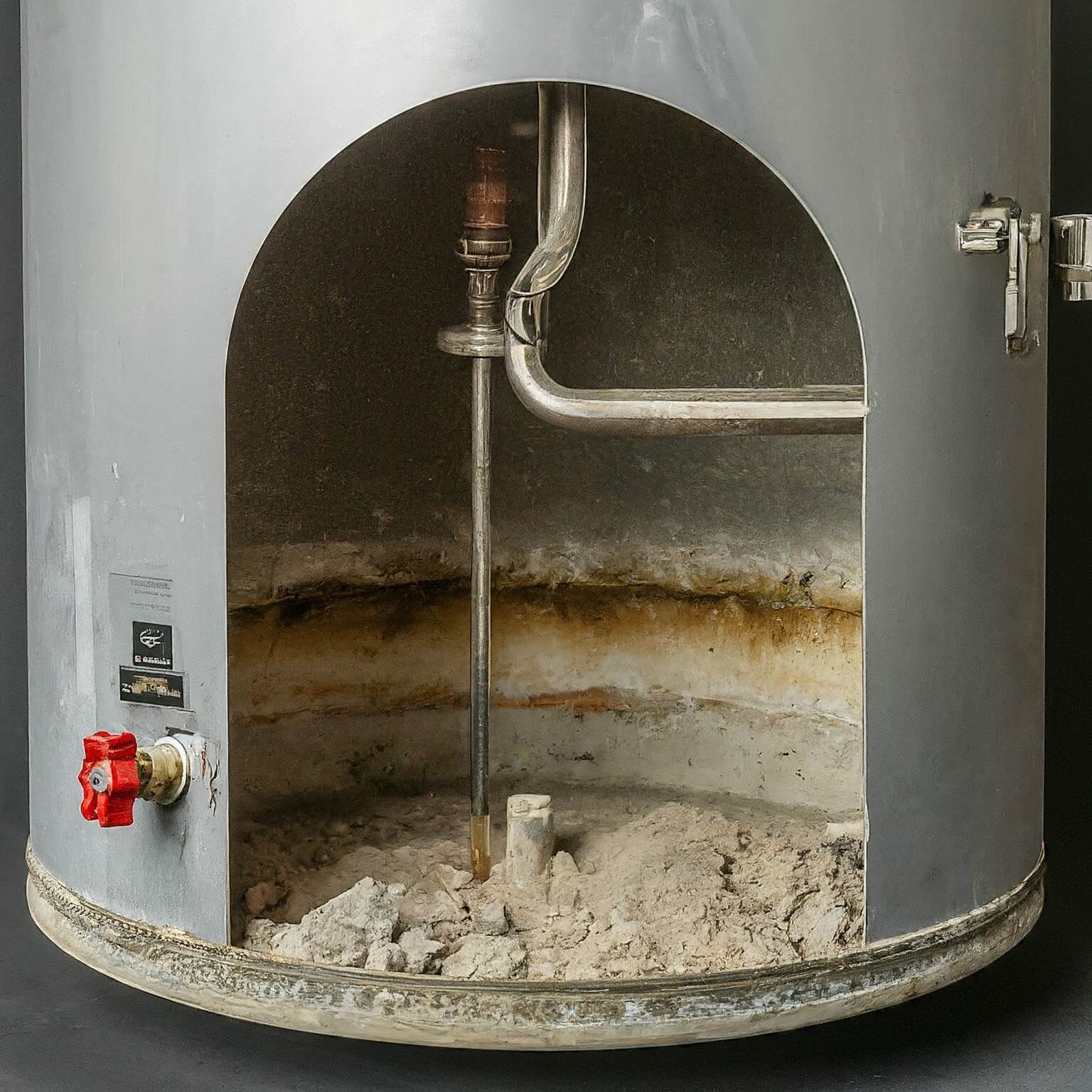
Flushing a water heater involves draining the tank to remove built-up sediment that collects over time. As water is heated, naturally occurring minerals—especially in areas with hard water—settle at the bottom of the tank.
Over months and years, this sediment forms a thick layer that can interfere with how your water heater operates. Flushing the system clears out this buildup, allowing the unit to function the way it was designed.
Why Is Flushing Important?
Sediment buildup might not seem like a big deal at first, but it can lead to several problems if left unchecked:
- Reduced Efficiency: The heating element has to work harder to heat water through the layer of sediment.
- Higher Energy Bills: More effort means more energy usage—and higher monthly costs.
- Uneven Heating: You may notice inconsistent hot water or longer wait times.
- Strange Noises: Popping or rumbling sounds often come from hardened sediment at the bottom of the tank.
By flushing your water heater annually, you remove these obstacles and help your system run more efficiently.
How Flushing Impacts the Overall Water Heater
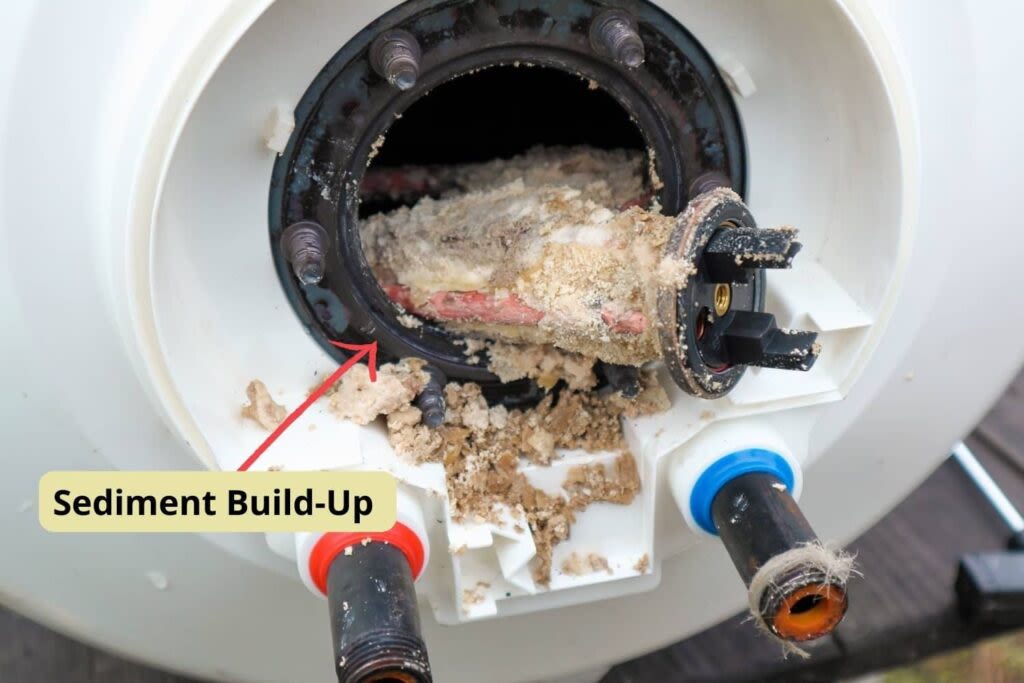
Regular flushing plays a major role in protecting the internal components of your water heater. When sediment sits in the tank, it can trap heat and cause the tank to overheat. Over time, this can weaken the metal lining and lead to cracks or leaks.
Flushing helps to:
- Prevent corrosion inside the tank
- Reduce wear and tear on heating elements
- Maintain consistent water temperature
- Lower the risk of unexpected breakdowns
In short, it keeps your water heater healthier for longer.
Extending the Life of Your Water Heater
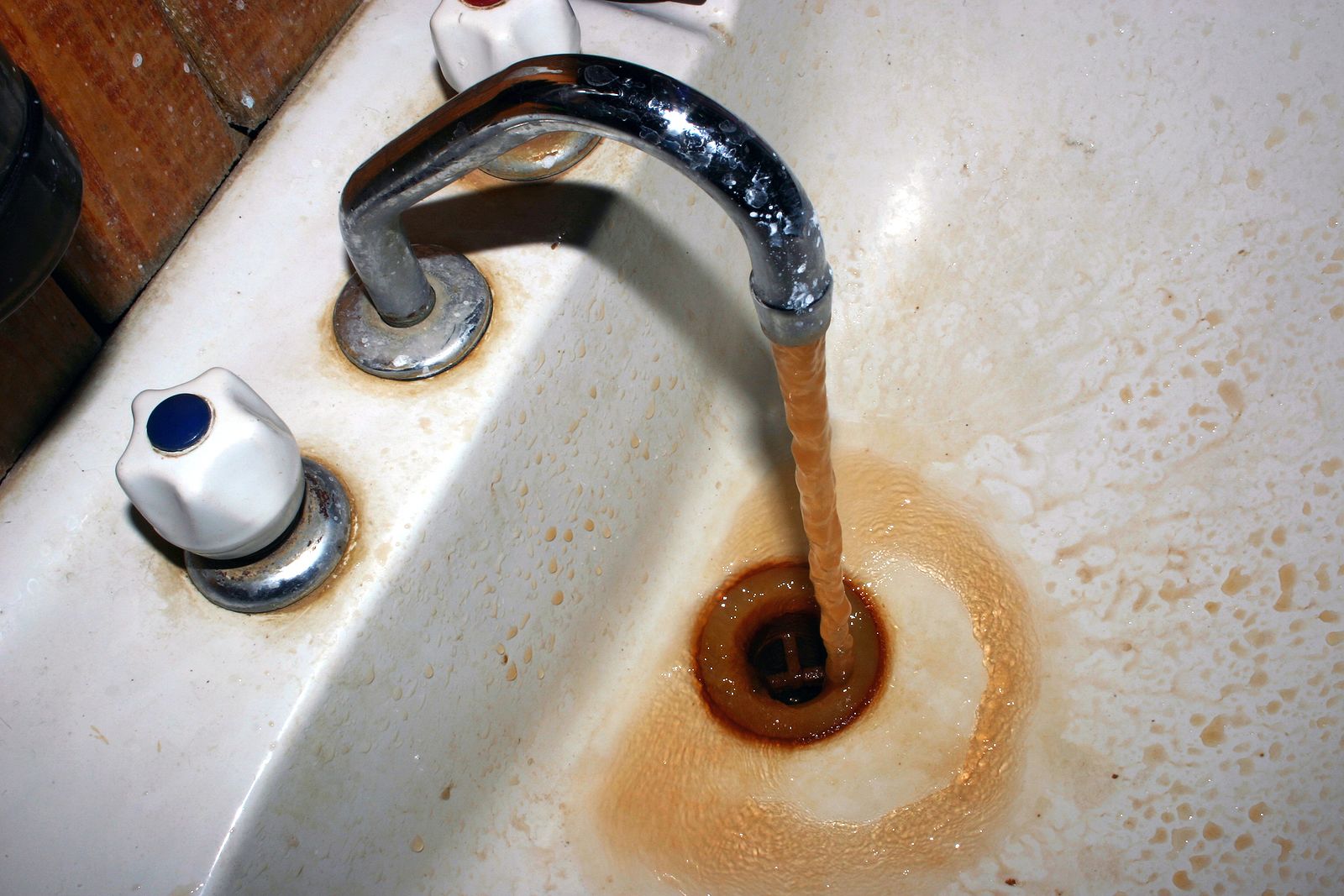
A typical tank water heater lasts about 8–12 years, but poor maintenance can shorten that lifespan significantly. Sediment buildup is one of the leading causes of early failure.
By simply flushing your system once a year, you can:
- Extend the life of your unit
- Delay costly replacements
- Improve overall performance
From a real estate perspective, a well-maintained water heater is a subtle but important detail that buyers and inspectors notice. It shows that the home has been properly cared for.
Is This a DIY Task or Should You Call a Professional?
Some homeowners choose to flush their water heater themselves, especially if they’re comfortable with basic home maintenance. However, if you’re unsure or haven’t done it before, hiring a professional is a smart choice.
A technician can also inspect other components, such as the anode rod and pressure relief valve, ensuring your system is in top shape.
Final Thoughts
Flushing your tank water heater once a year is one of the easiest ways to protect your home and avoid unnecessary expenses. It improves efficiency, extends the life of your system, and helps ensure you always have reliable hot water when you need it. Like many aspects of homeownership, it’s the small, consistent maintenance habits that make the biggest difference over time.